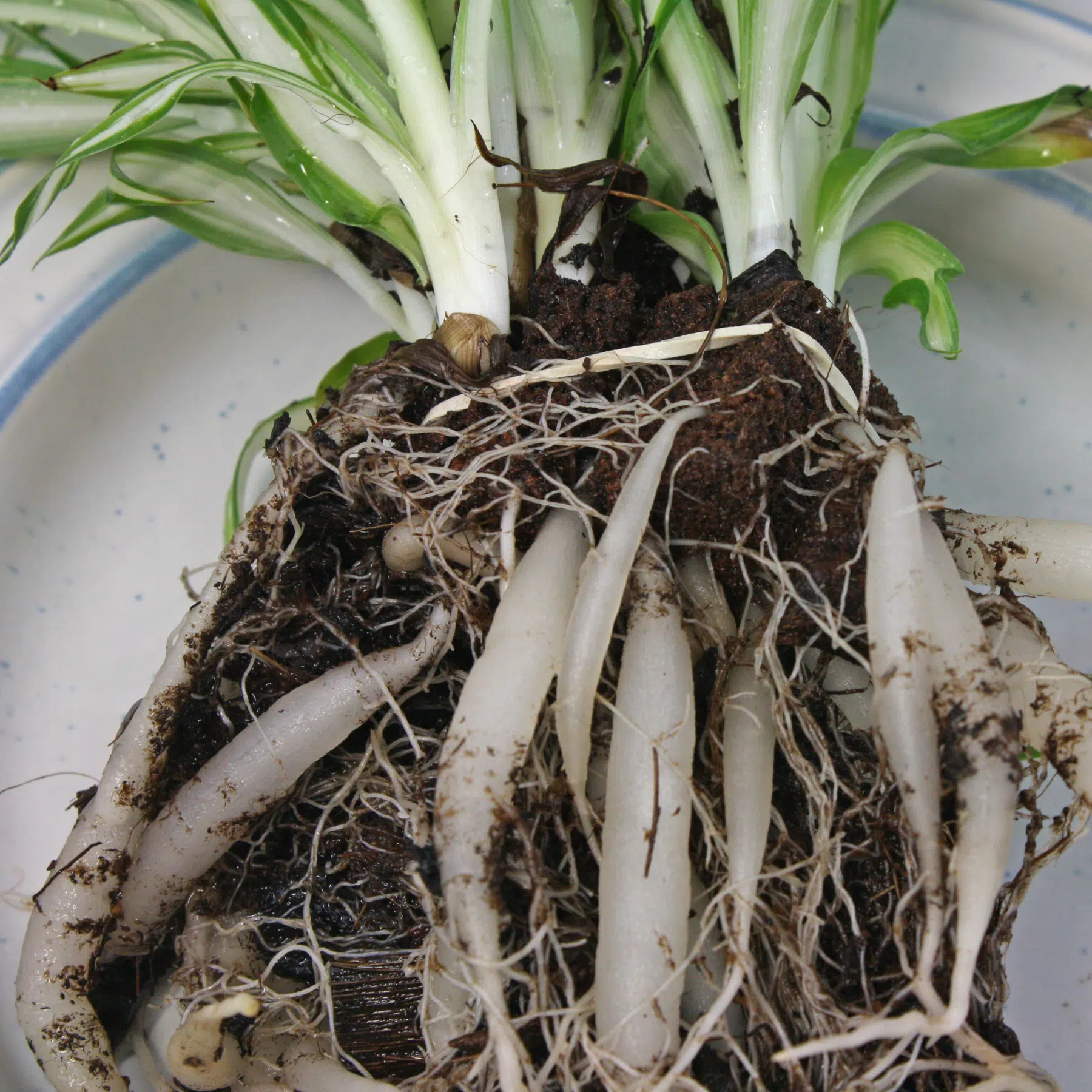
Not exactly traditional foraging but I have a lot of these that grow without care in untended parts of my garden and I’ve heard they are edible. The tubers are decent size for something that isn’t a crop and I could harvest a good number pretty easily if I wanted.
However, the sources I find online that talk about their edibility don’t seem too reputable, so I’m curious if anyone has first-hand experience. Are they safe to eat in quantity? Any preparation tips?
Please share any knowledge you have!
You must log in or register to comment.
Within the range of herbivorous mammals, every part of every plant that has not evolved to be consumed by an herbivorous mammal (typically fruit), has developed defenses against herbivory. Often more than one. Fortunately for you, in the case of Chlorophytum tubers, saponins are the sole known defense. And the last time I tried one, I barely noticed a “soapy” taste. It was quite watery, though not as neutral as a water chestnut. Let me know how yours taste!
So you have tried them then? How much did you eat, and how did you prepare them?
If you can’t find reliable information, you could cut one up and boil it and let it cool, and also cut one up and soak it in cold water for at least an hour, then test both with water quality test strips (amazon link). This should at least let you know if the roots are leaching any heavy metals or other common groundwater safety hazards (test a few different ones from different parts of your property).
After that if you still want to try it, you can go through the steps of the edibility test:
“Can I Eat That?” Answer the Question With the Universal Edibility Test.
How to Test if a Plant Is Edible
Though obviously this has risks. The point of the process is to expose yourself to any hazards very gradually - this doesn’t eliminate the hazard.
The plant itself is not poisonous to humans or pets:
https://www.kansaspoisoncenter.com/poisons/plants-and-mushrooms/spider-plant
https://www.aspca.org/pet-care/animal-poison-control/toxic-and-non-toxic-plants/chlorophytum
I checked a reliable German source as well, since I happen to speak that, and it’s definitely not poisonous:

(Gruenlilie is the common German name of the plant, ungiftig simply means not poisonous)
Also, here is a study researching the nutritional values of the plant (among others):
https://scialert.net/fulltext/fulltextpdf.php?pdf=ansinet%2Fpjn%2F2009%2F26-31.pdf
You will also find social media posts of people having tasted the roots / leaves. I won’t include those, but I’d conclude that while you can eat the plant, it probably won’t be a culinary revelation.