
Introduction
Chinese history is filled with stories in which strange signs or supernatural events were believed to foretell major political change or disaster. In traditional Chinese culture, unusual natural or supernatural occurrences were often interpreted as omens from Heaven, signaling that something significant—usually the fall of a ruler or dynasty—was approaching.
One eerie story connected to the imperial palace in Beijing tells of a mysterious omen that allegedly appeared shortly before the collapse of the Qing dynasty in the early twentieth century.
Although historians debate the details, the story has circulated for decades among palace staff, historians, and visitors.
⸻
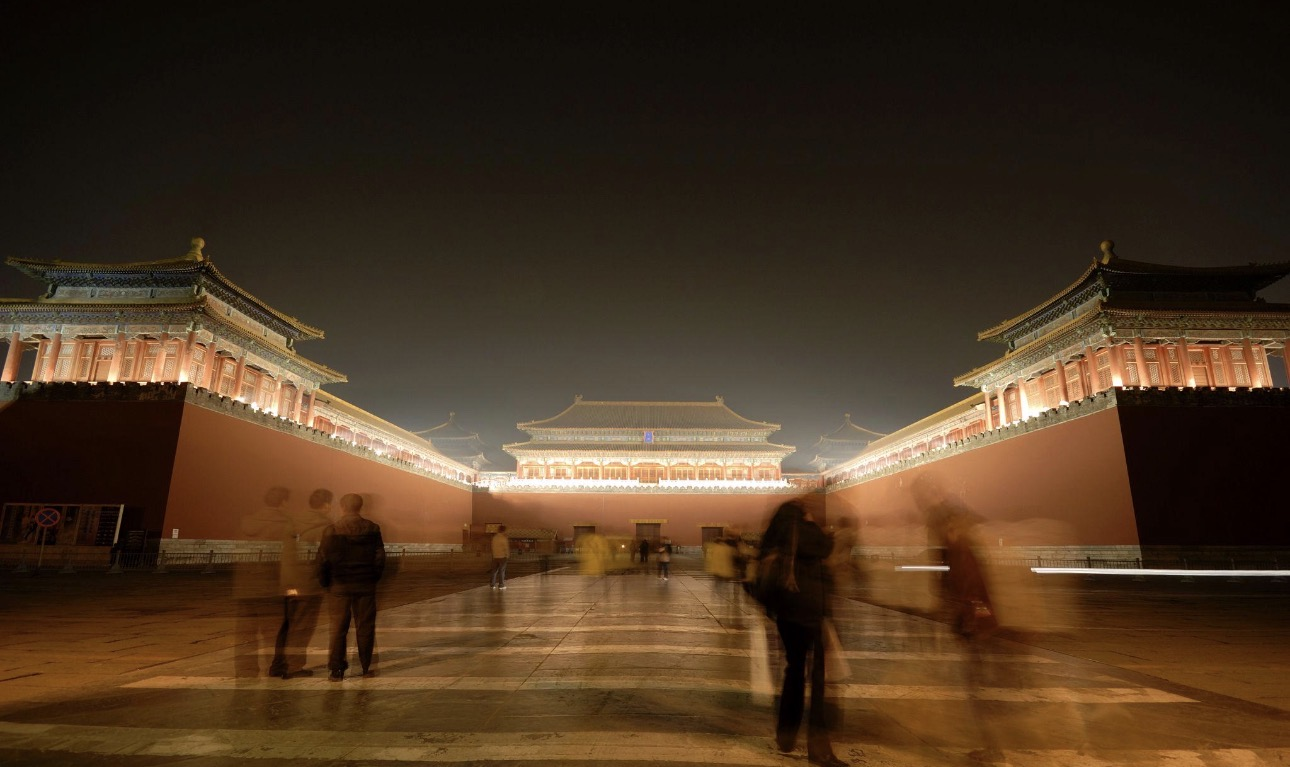
The Forbidden City at Night
For centuries, the vast palace complex known as the Forbidden City served as the residence of Chinese emperors.
The palace contains nearly 1,000 buildings and courtyards, many of them guarded by stone statues and ancient structures dating back hundreds of years. At night, when the palace corridors grow silent and the massive gates are closed, the complex takes on an eerie atmosphere.
According to palace workers, strange stories have long been associated with the grounds—particularly during periods of political upheaval.
⸻
The Strange Incident
According to accounts passed down among palace guards and staff, a strange event occurred shortly before the fall of the Qing dynasty in 1911.
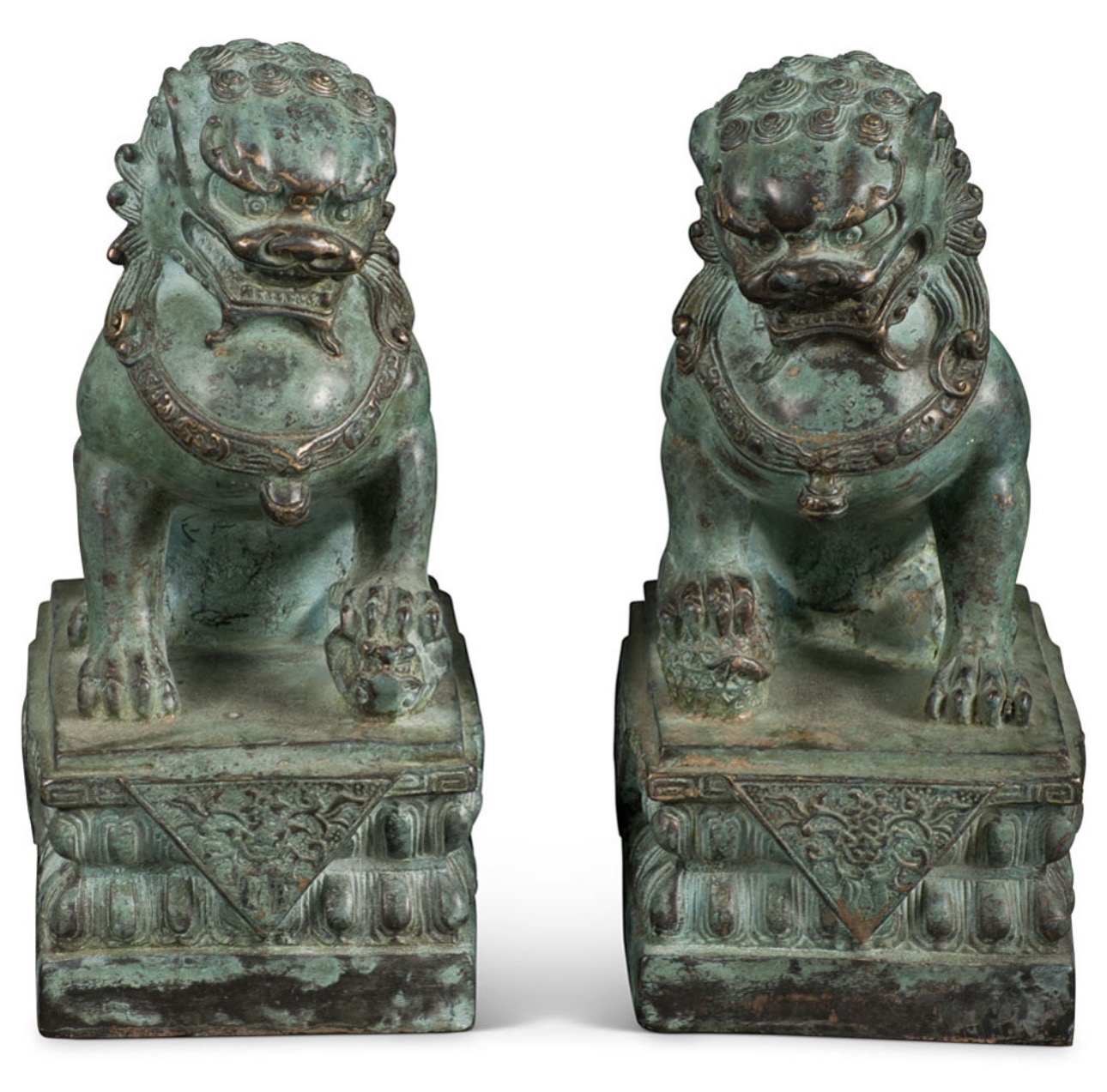
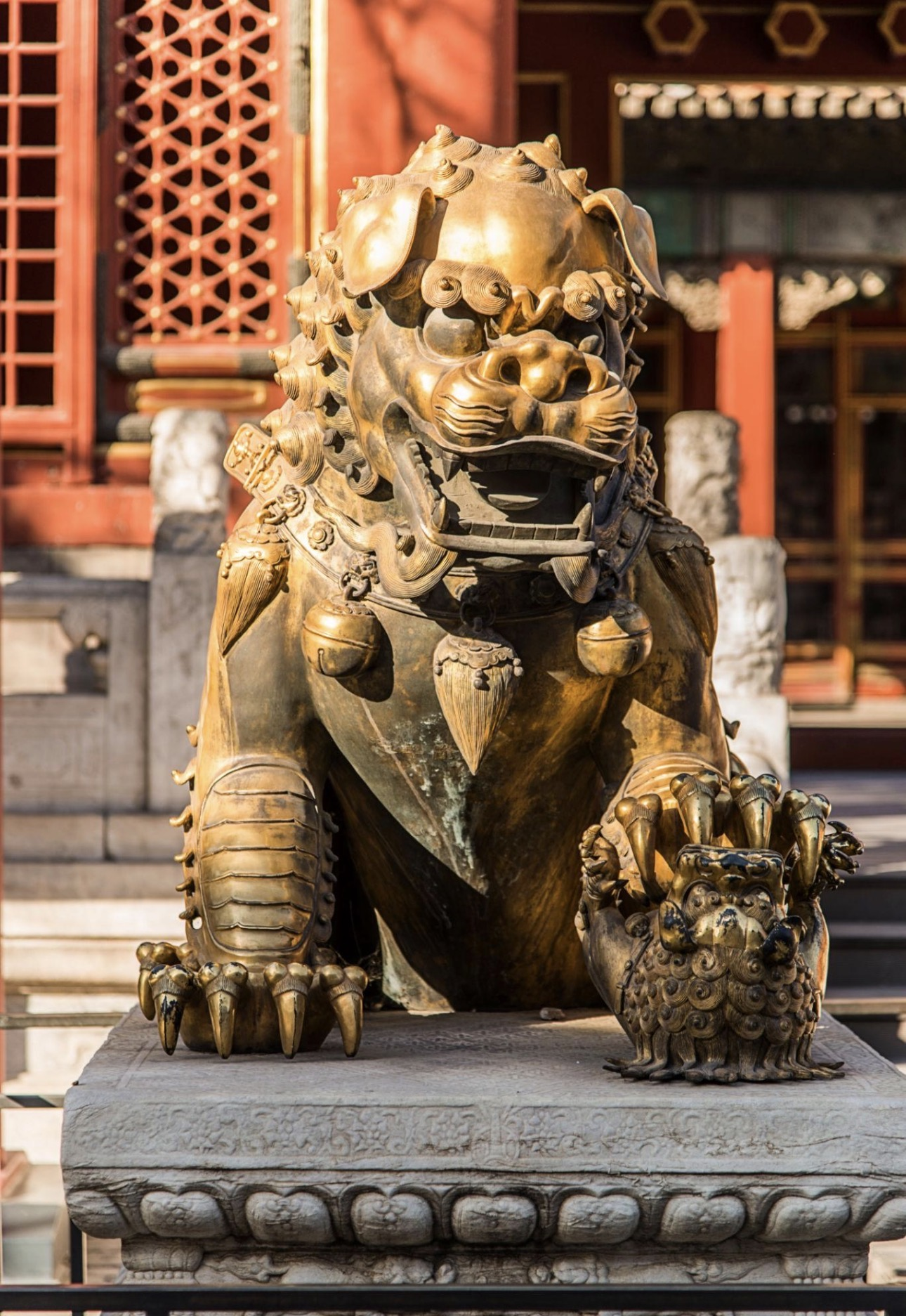
One evening, guards reportedly noticed something unusual about a stone guardian statue positioned along one of the palace walkways.
Witnesses claimed that moisture appeared around the statue’s eyes, giving the unsettling impression that the stone figure was crying.
At first, workers assumed it was simply condensation caused by weather conditions. However, some observers insisted that the moisture appeared repeatedly, even when the weather was dry.
In Chinese tradition, statues appearing to cry or bleed were sometimes interpreted as warnings from the spirit world.
⸻
Interpreting the Omen
Within imperial China, many people believed that Heaven communicated with rulers through signs known as heavenly omens. These signs could include unusual natural events such as earthquakes, eclipses, strange weather patterns, or unexplained occurrences within sacred places.
If such an omen appeared near the emperor’s residence, it was often interpreted as a warning that the ruler had lost the “Mandate of Heaven.”
The Mandate of Heaven was a central concept in Chinese political philosophy. It held that emperors ruled with divine approval, but if they governed poorly or lost moral authority, Heaven would withdraw its support.
To those who witnessed the strange event at the palace, the crying statue seemed like a possible sign that great change was approaching.
⸻
The Fall of the Qing Dynasty
Just a short time after the alleged omen, China entered one of the most dramatic periods in its history.
In 1911, revolutionary movements across the country led to the Xinhai Revolution, which ultimately ended more than two thousand years of imperial rule.
The Qing dynasty collapsed, and the last emperor, Puyi, was forced to abdicate the throne in 1912.
For those who remembered the strange occurrence at the palace, the event seemed like a chilling warning that had appeared shortly before the empire itself disappeared.
⸻
Legend or History?
It is difficult to determine whether the story of the crying statue is a documented historical event or a legend that developed after the fall of the dynasty.
Many cultures create stories that connect supernatural signs with major historical changes. In China especially, the concept of omens tied to the Mandate of Heaven has been deeply embedded in historical writing for centuries.
Regardless of its origin, the story remains one of the many eerie tales associated with the Forbidden City and the final days of imperial China.
⸻
Conclusion
Whether interpreted as coincidence, folklore, or a supernatural warning, the legend of the crying statue reflects an important cultural idea: that the rise and fall of rulers may be preceded by mysterious signs.
In Chinese tradition, such events were never viewed as random. Instead, they were seen as messages from a higher order warning that history itself was about to change.
The quiet palace courtyards of the Forbidden City have witnessed centuries of power, intrigue, and transformation—and stories like this continue to remind people of the mysterious forces that many believed guided the fate of empires.