The Picard Maneuver@lemmy.world to People Twitter@sh.itjust.works · 1 年前We have ways of making you talklemmy.worldimagemessage-square66fedilinkarrow-up1859arrow-down15
arrow-up1854arrow-down1imageWe have ways of making you talklemmy.worldThe Picard Maneuver@lemmy.world to People Twitter@sh.itjust.works · 1 年前message-square66fedilink
minus-squareGBU_28@lemm.eelinkfedilinkEnglisharrow-up6·1 年前Heating plastics can release VOC. Many plastics will get hot in a microwave. It’s recommended not to heat food in plastic containers for this reason
minus-squarefilcuk@lemmy.ziplinkfedilinkarrow-up1·1 年前This applies to food, I doubt it’s relevant in this scenario, but I am open to being proven wrong.
minus-squareGBU_28@lemm.eelinkfedilinkEnglisharrow-up4·edit-21 年前The point is VoCs and plastic particles move to other surfaces more readily (or to the air) once heated. Kids who play with toys breathe the air around them. The also touch them, and sometimes chew on them. I fail to see the meaningful difference.


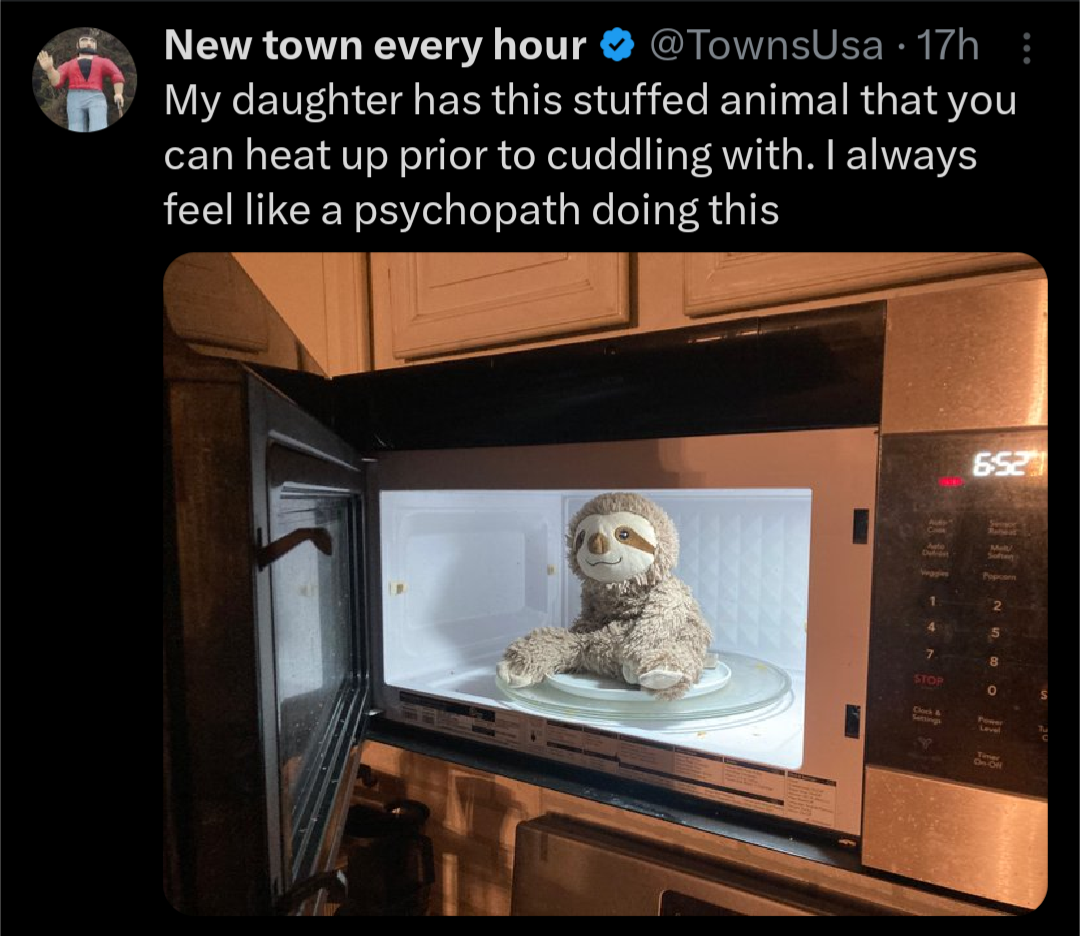
Heating plastics can release VOC. Many plastics will get hot in a microwave. It’s recommended not to heat food in plastic containers for this reason
This applies to food, I doubt it’s relevant in this scenario, but I am open to being proven wrong.
The point is VoCs and plastic particles move to other surfaces more readily (or to the air) once heated. Kids who play with toys breathe the air around them. The also touch them, and sometimes chew on them. I fail to see the meaningful difference.