
2·
16 hours agoCulture is what you make it, so let’s make it rock Indian?
History Major. Cripple. Vaguely Left-Wing. In pain and constantly irritable.
Culture is what you make it, so let’s make it rock Indian?
B-Wings when
where is my space-future
That’s where my mind went to as well.
RETURN TO TRADITION
RETURN TO THE SEA

Standard puzzles for the hero to solve, I think
THEN YOU ARE LOST
Most likely the Italian Front.
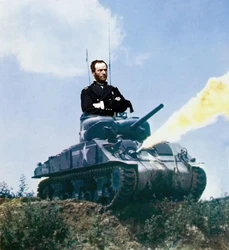
Won the war, lost the peace.
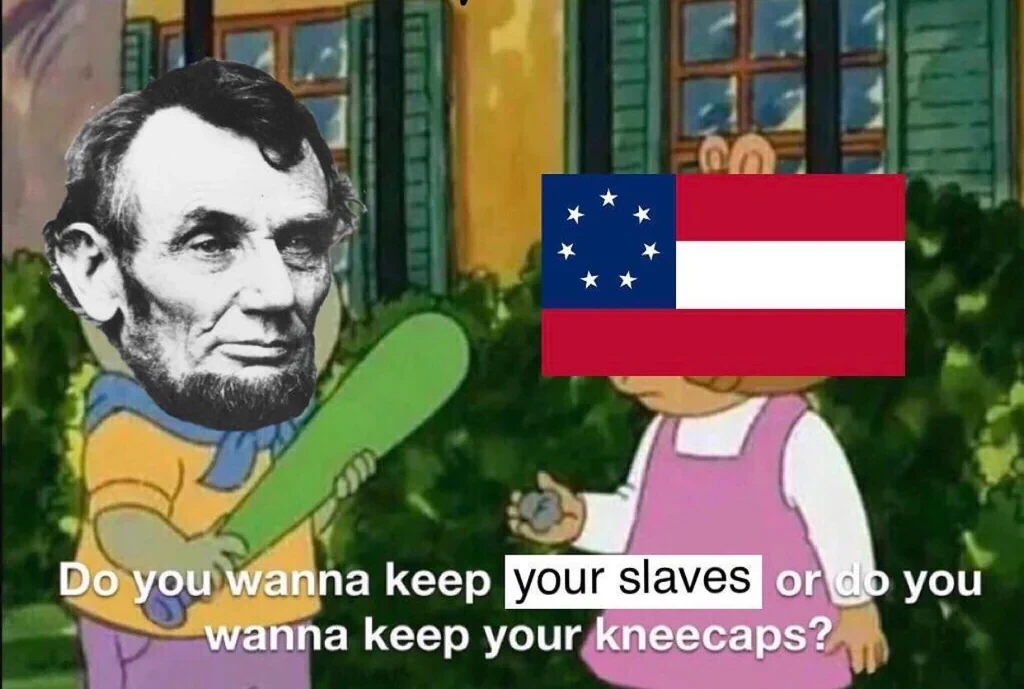
General Grant, notably, at several points made the demand for ‘unconditional surrender’ of Confederate forces, which dovetailed nicely with his initials - US Grant.
For his part, he did as much as could be expected of a man who was not really a born politician - when he became president, he pushed to outlaw segregation(!) and outlawed the KKK, with mass arrests by the military and prosecutions for terrorism.
Unfortunately, it wouldn’t outlast his presidency - one of the first things his successor did, even, was withdraw troops from the South even in the face of a new troop surge initiated by Grant in response to white supremacist paramilitaries
Don’t tempt me
I may pick it up at some point. The failure of Reconstruction to deliver on the initial promise of a racially integrated society is a constant topic of interest to me, especially seeing as so many of our modern problems trace in some part back to it.
Women often participate in warfare in general in early societies, including some early state societies. Notably, women warriors rode with the Mongols (and likewise, the nomadic Scythians), and women participated in both Germanic (including Norse) and Celtic endemic warfare in many places and time periods. Noblewomen, both in European and Japanese traditions, also often participate in warfare as commanders or in defense of fortified positions.
The issue that arises to reduce (not eliminate) women’s participation in pre-modern warfare is multifaceted.
First, that the constraint on armies is often how many people can be supplied in a given area, rather than the number of recruits which can be found. Many pre-modern polities manage to ‘bounce back’ after massive losses for this very reason - the number of troops fielded in any given battle or campaign is much smaller than their actual available forces. For this reason, more recruits is not necessarily an immediate advantage in a war.
Second, pre-modern societies operate on extremely thin birth-death ratios. Losing even a handful of women of marriageable age - and forgive me for putting it so clinically - can be a massive blow to the long-term demographic prospects of the polity. It’s not like the modern day, where averaging 3 kids means the population will grow - ancient peoples often averaged 6+ kids just to maintain the population, both because half the kids were likely to die before the age of 10, and because even after the age of 10 mortality was considerably higher than it is now.
Third, related to the previous point, women would spend a good proportion of time with reduced physical capacity through pregnancy and the first months of motherhood in their best years. This isn’t an absolute block to participation in war - the Vietnamese legend of a female warrior during the Trung Sisters’ rebellion giving birth mid-battle shows that it was understood that women can be capable of arduous work even in the late stages of pregnancy - but it is a disadvantage, and societies form norms based on averages, not possibilities. The logistical concern - including the reduction of marching speed of a pregnant woman - is also an issue.
Fourth, political and military power were closely linked, and the general trend for power structures is for ‘competitors’ to be minimized as much as they can be without compromising the essential function of the structure. In other words, cutting out women from the power structure is an ‘easy’ way to halve one’s political rivals.
Fifth, as state societies marshal increasingly large and concentrated forces, battles devolve from tests of skill between opponents to glorified shoving matches between mobs of troops. In this, whether someone can handle a bow or a blade is less important than being tall and heavy. Women, furthermore, have less dense bones than men, meaning that in any such ‘shoving match’, women end up with more injuries on average - which is a massive disadvantage. Women in societies - like that of the Mongols and Scythians - reliant on cavalry often avoid this issue, which is part of the reason why their participation in war can continue long after mass combat develops. The horse’s mass matters more than the rider’s - and often nomads prefer skirmishing to the clash in any case. You can also see this in tribal warfare - when small numbers of warriors clash and skill matters rather than the shoving match, women often still maintain prominent roles, such as the (again, legendary, but likely reflecting real norms) repeated presence of women warriors in the Celtic Ulster Cycle, including as the (male) hero Cu Chulainn’s teacher and rivals.
The mass return of women in warfare has largely been a function of firearms, which rendered the ‘shoving matches’ - in their last viable form through the literal ‘push of pike’ - obsolete. And the demographic change to stage 2 and later societies.
Hey, whatever differences we have, I think everyone on here worth a moment’s consideration agrees:
Fuck slavers, and let them swing from the gallows.
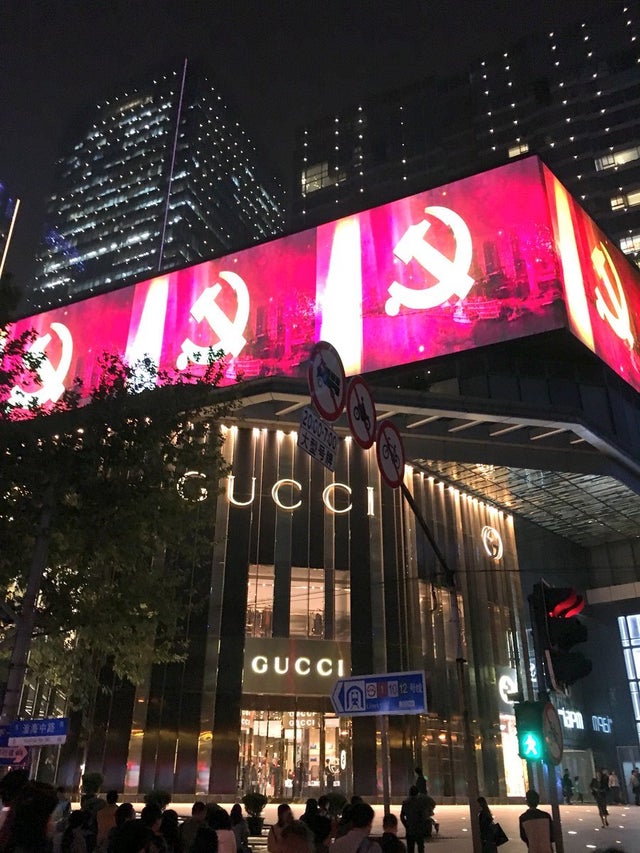
Tibet was a feudal society before the PLA invaded, yes.
If the PLA had installed a legitimate government and left, that would be one thing. Putting Tibet under a foreign-imposed regime of settler colonialism, however, is a different question entirely.
If you’re asking if I shed tears for the old theocracy, I don’t. If you’re asking if I think that China ‘freed Tibet’, or that its occupation is in any way legitimate or anything less than horrific, or the notion that the violation of a country’s sovereignty because “The government we overthrew used to own it” is okay, you bet I’m going to be bitterly critical of the PRC.
And furthermore, considering the position stated here, absolute isolationism for the West™ (even against brutal backwards theocratic authoritarian states) while cheering on imperialism of other nations because “The Chinese Empire ruled over it so it’s their’s forever regardless of what the people there think (don’t worry, they’ll be replaced by CIVILIZED Han folk anyway)” is fucking bizarre.
Sorry, thought you meant the one hanging off the edge nearest the pilot. XD
I think the one in back is an MG14, but I’m no expert.
I think it might be a flare gun.



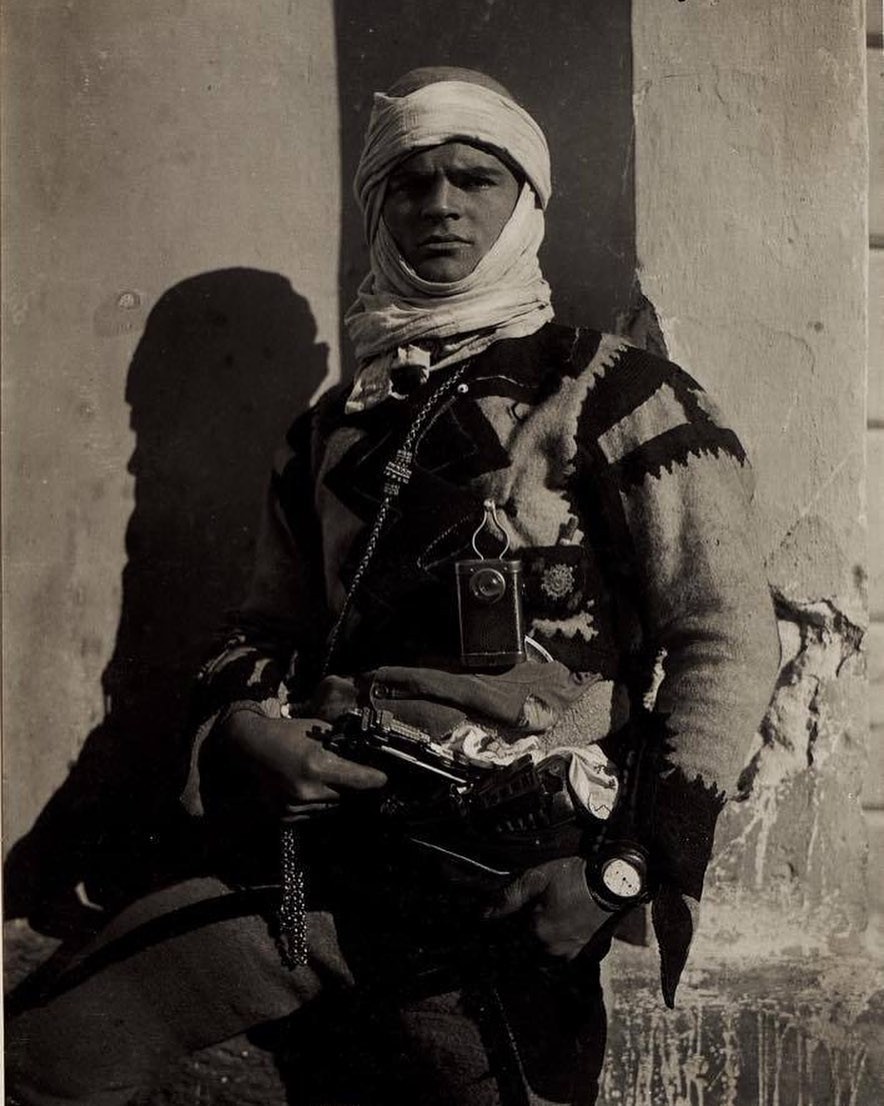
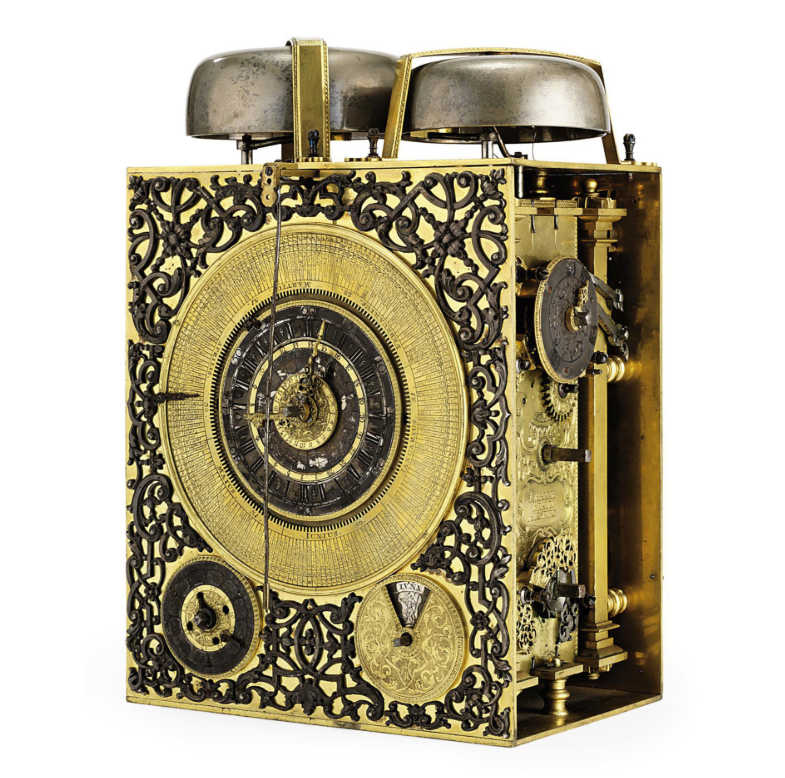
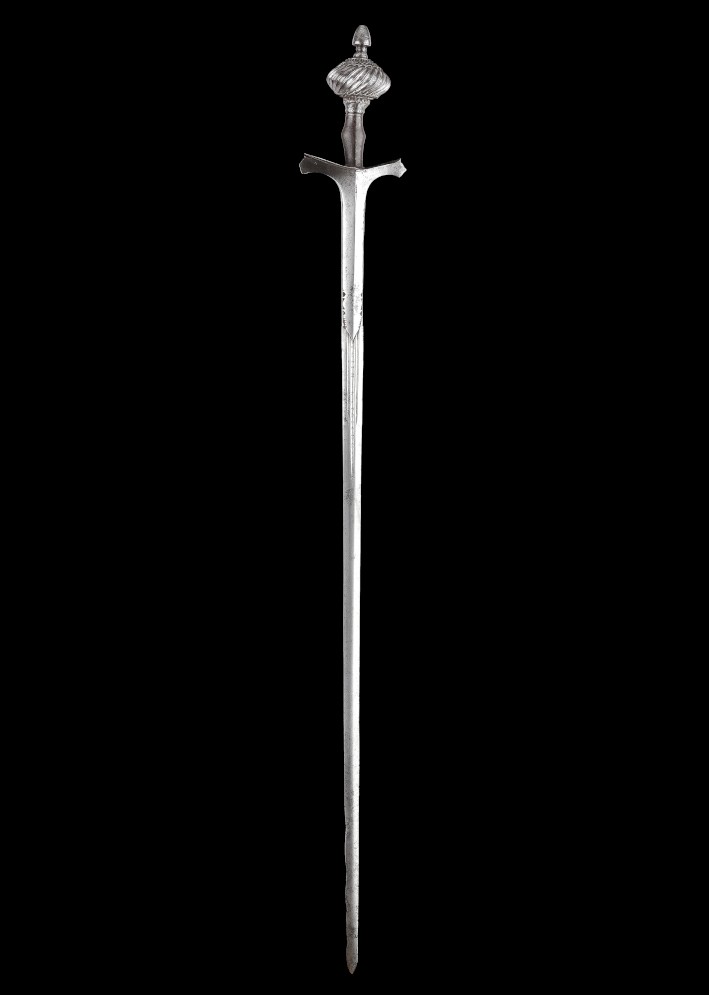
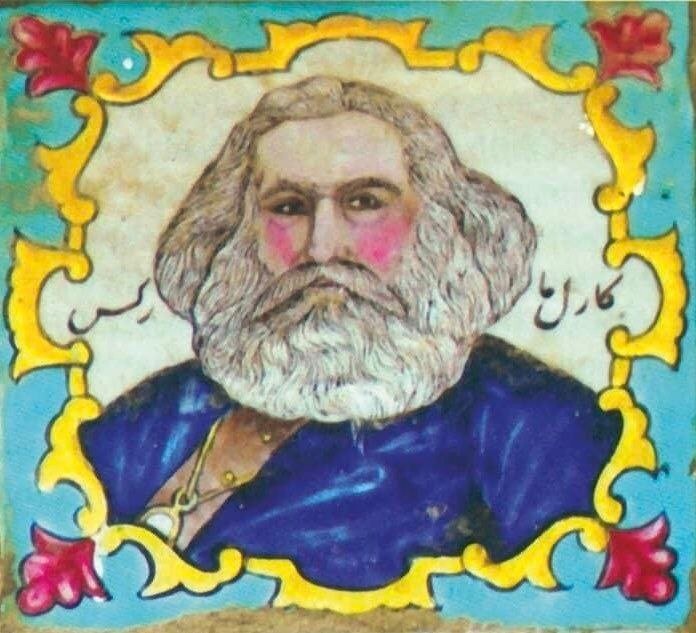
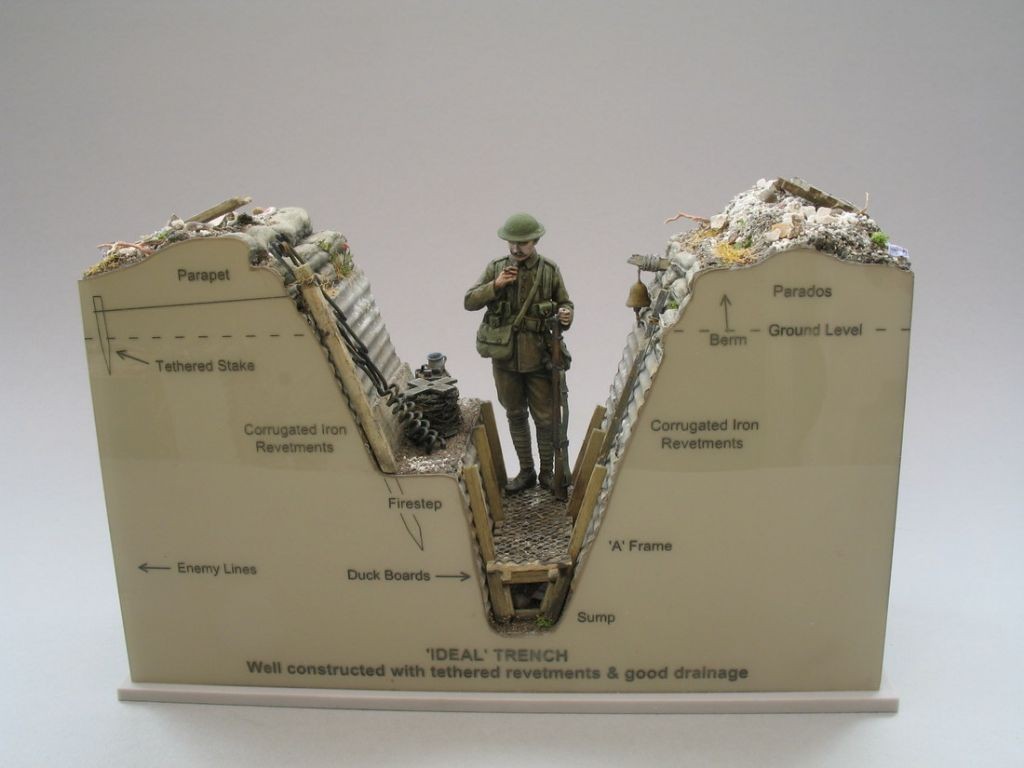

I’m not sure about most of the details of this prticular pic, but shock troops in WW1 would coordinate their attacks very tightly, down to the minute, making watches a necessity.
The square device is likely a flashlight for night attacks, similar to this one: