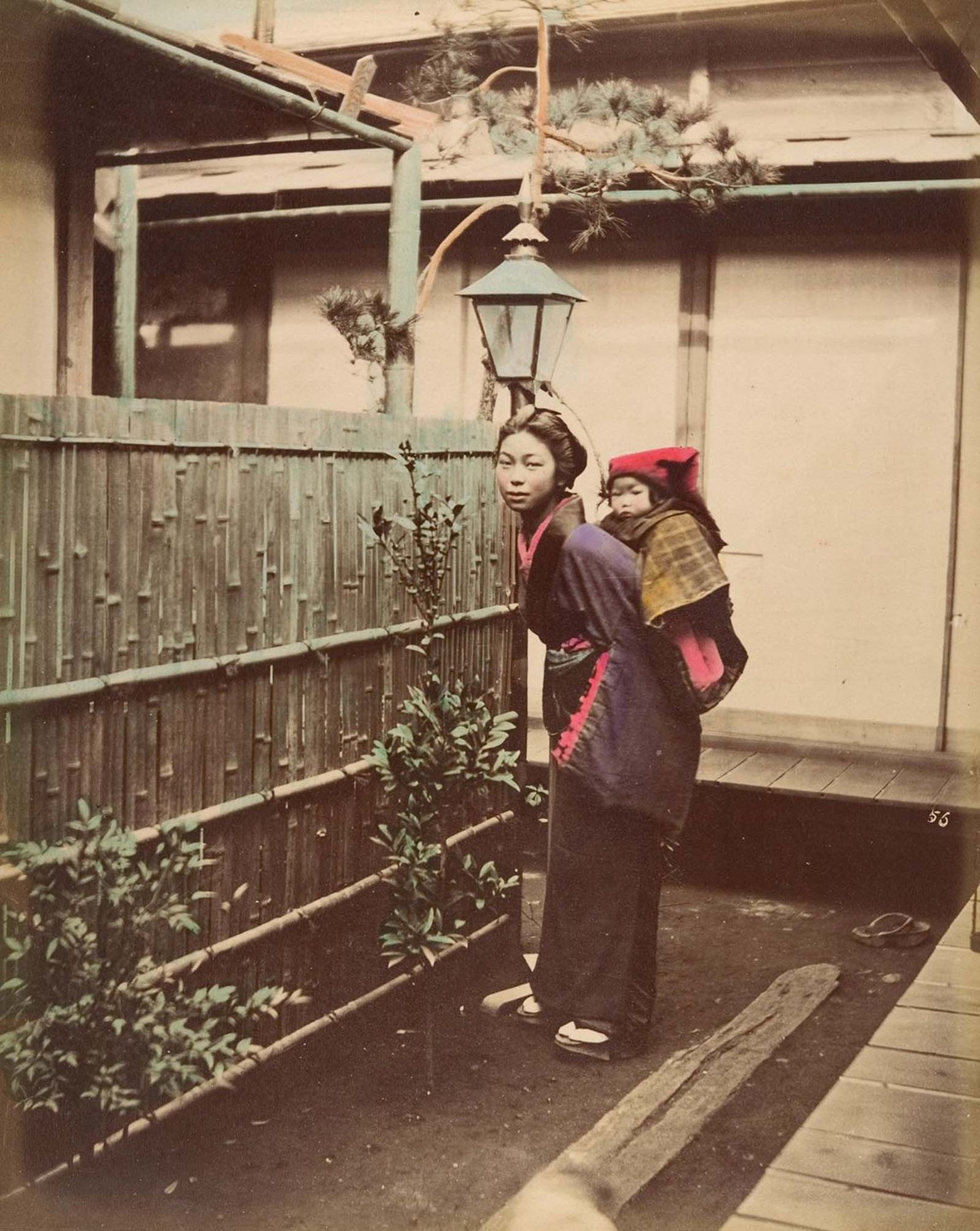
PugJesus@piefed.socialM to HistoryPhotos@piefed.socialEnglish · 1 month agoWoman and child, Japan, ~1900media.piefed.socialimagemessage-square6fedilinkarrow-up1101arrow-down10
arrow-up1101arrow-down1imageWoman and child, Japan, ~1900media.piefed.socialPugJesus@piefed.socialM to HistoryPhotos@piefed.socialEnglish · 1 month agomessage-square6fedilink
minus-squarePugJesus@piefed.socialOPMlinkfedilinkEnglisharrow-up10arrow-down1·1 month agoWiki suggests: The original motivation for wearing the high platform shoes was not fashion, but practicality: to keep feet and kimono from coming in contact with things on the ground, such as dirt, filth, water, or snow.
minus-squareWHARRGARBL@lemmy.worldlinkfedilinkarrow-up6·1 month agoThis type of shoe was also used in other cultures, such as the patten and the chopine
minus-squareVictor@lemmy.worldlinkfedilinkarrow-up1·1 month agoCool, I’ll dive a bit further to try figure out what that angle is about.
minus-squareDrusas@fedia.iolinkfedilinkarrow-up2·1 month agoIt makes it more comfortable walking. The soles are stiff and do not flex with your feet. I have a pair. They’re still commonly worn with kimono and yukata.
minus-squareVictor@lemmy.worldlinkfedilinkarrow-up3·1 month agoI figured it had to be something like that 🙂👌 Thanks!

Wiki suggests:
This type of shoe was also used in other cultures, such as the patten and the chopine
Cool, I’ll dive a bit further to try figure out what that angle is about.
It makes it more comfortable walking. The soles are stiff and do not flex with your feet.
I have a pair. They’re still commonly worn with kimono and yukata.
I figured it had to be something like that 🙂👌 Thanks!