In the case of military vehicles, hydrogen is about the greenest option that we’re gonna get. No one is going to make a battery powered AFV, because where the fuck would you charge it?
Right, but you are going to want to choose a fuel that has the least chance of flaming up if you’re making a military vehicle.
Hydrogen has (compared to petroleum) a Wider Flammability Range, Lower Ignition Energy (0.02 millijoules) which is really low and much smaller than petroleum, and a higher diffusion rate.
Wasn’t trying to call you out for being wrong or only partially correct, just think it’s neat all the stuff they considered when designing and testing it.
The problem with diesel is that there has been a cap in their efficiency for quite some time. We’ve pretty much tweaked as much speed and efficiency out of what is possible with diesel tanks, which is why the Abrams has a turbine engine.
As tanks become heavier and heavier the only real solution is to migrate to electric motors, which are more efficient and vastly more reliable than diesel or turbine.
Just like with trains, the future of tanks are electric motors, and until we find a battery material more efficient and safe than lithium, hydrogen fuel cells are likely going to be the solution.
Right, but you are going to want to choose a fuel that has the least chance of flaming up if you’re making a military vehicle.
Why? If something has gotten through the armour, your fuel is the least of your worries. I mean you are sitting next to a stack of shells filled with high explosives.
My point is that if your tank’s armour is compromised by modern antitank weapons, it doesn’t really matter where it hits you. You’re going to be turned into chunky marinara, or your shells are going to cook off.
A pressurized fuel cell is already more protected than any fuel tank, and is smaller and lighter and more efficient than any ice engine. Which means you can add and divert even more armour to protect the cell and the occupants of the tank. Basically any danger associated with hydrogen is vastly overshadowed by the fact that tanks already carry high explosives. And that’s not so dangerous that we’re trying to replace them with non combustible weapon systems.
It’s not like Rotem is new at making tanks, the K2 is one of the best tanks currently in production. If the engineers thought fuel cells increased the likelihood of catastrophic failure, I highly doubt they would have tried it with the K3.
Personally, I think most people are just buying into the propaganda that shut down hydrogen power in the first place. To my knowledge there hasn’t ever been a death associated because of an explosion or fire involving a vehicle with h2.
H2 is much safer than gasoline. Gasoline with explode as a bomb. A leak will make everything around it super flamable. An H2 tank that both is ruptured and on fire will shoot a flare into the air, instead of blowing up and killing everyone in the vehicle.
If you ignore the fragility (creates a weak point to disable the tank) and the slow charging rate, dust and debris from firefights would be a pretty big issue.
Dust is indeed an issue for fuel cells. It is a solved issue with air filters though. FCEVs brag about making the air cleaner than without them. Industrial equipment in ultra dusty environments also work on FCs. It does require regular filter changes compared to BEV though. An industrial equipment alternative is an FC setup away from the dusty environment to recharge batteries overnight and during breaks.
Solar deployments around mines can be far enough from the dusty areas. Today, tanks could bring a bunch of briefcase solar panels and when the tank is not moving and firing, its not that dusty. Cleaning is pretty easy for 20-50 panels too.
Fuel cells are the actual technology that require special designs to deal with dust.
Also don’t fight at night. Or in the Arctic circle. Or really anywhere during winter. Or sandstorms. Dust storms. Overcast days. Rainy days. Snowy says.
Y’know what, just conduct all your warfare during beautiful clear sunny weather at daytime. Why would you want to fight in crappy weather anyway?

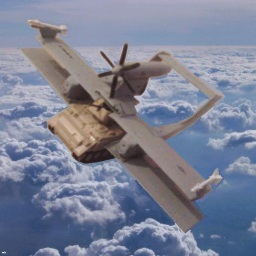
In the case of military vehicles, hydrogen is about the greenest option that we’re gonna get. No one is going to make a battery powered AFV, because where the fuck would you charge it?
Isn’t hydrogen even more flammable and explosive than petroleum. Just seems like a dumb idea to put that in a military vehicle.
Yes, obviously, putting explosives and projectile propellants in an armored vehicle is dangerous and should be avoided
/s
OSHA is not a credible military threat
Right, but you are going to want to choose a fuel that has the least chance of flaming up if you’re making a military vehicle.
Hydrogen has (compared to petroleum) a Wider Flammability Range, Lower Ignition Energy (0.02 millijoules) which is really low and much smaller than petroleum, and a higher diffusion rate.
All of which make it more likely to go kaboom.
Silly one, and but do tanks run on diesel?
Every other heavy machine I can think of typically uses diesel for their engines: tractors, lorries, boats.
Also diesel is less flammable then petrol or hydrogen in the event of a spill of leak…
The Abrams uses jet fuel mainly. But most tanks are diesel.
The Abrams can run on just about anything liquid and flammable. It’s not gonna be happy about it, but it’ll go.
I think it was designed by pakleds…
Yup, that’s why I put “mainly”
Wasn’t trying to call you out for being wrong or only partially correct, just think it’s neat all the stuff they considered when designing and testing it.
The problem with diesel is that there has been a cap in their efficiency for quite some time. We’ve pretty much tweaked as much speed and efficiency out of what is possible with diesel tanks, which is why the Abrams has a turbine engine.
As tanks become heavier and heavier the only real solution is to migrate to electric motors, which are more efficient and vastly more reliable than diesel or turbine.
Just like with trains, the future of tanks are electric motors, and until we find a battery material more efficient and safe than lithium, hydrogen fuel cells are likely going to be the solution.
The correct solution is for tanks to drag a power cable and a water cooling loop behind them. This will make them invisible to thermals.
Diesel is a type of petroleum product.
Sir this is NCD. That comment is far too credible.
Shit I never saw I was in a meme sub lmao. To be fair the comments above mine seemed mostly serious.
Some of the best serious conversations get started by meme posts.
Would you say that we (wiggles eyebrows) subverted your expectations?
Why? If something has gotten through the armour, your fuel is the least of your worries. I mean you are sitting next to a stack of shells filled with high explosives.
Well if the fuel is compromised there’s a larger chance it’ll ignite and reach the shells if it’s hydrogen as opposed to petroleum.
My point is that if your tank’s armour is compromised by modern antitank weapons, it doesn’t really matter where it hits you. You’re going to be turned into chunky marinara, or your shells are going to cook off.
A pressurized fuel cell is already more protected than any fuel tank, and is smaller and lighter and more efficient than any ice engine. Which means you can add and divert even more armour to protect the cell and the occupants of the tank. Basically any danger associated with hydrogen is vastly overshadowed by the fact that tanks already carry high explosives. And that’s not so dangerous that we’re trying to replace them with non combustible weapon systems.
It’s not like Rotem is new at making tanks, the K2 is one of the best tanks currently in production. If the engineers thought fuel cells increased the likelihood of catastrophic failure, I highly doubt they would have tried it with the K3.
Personally, I think most people are just buying into the propaganda that shut down hydrogen power in the first place. To my knowledge there hasn’t ever been a death associated because of an explosion or fire involving a vehicle with h2.
H2 is much safer than gasoline. Gasoline with explode as a bomb. A leak will make everything around it super flamable. An H2 tank that both is ruptured and on fire will shoot a flare into the air, instead of blowing up and killing everyone in the vehicle.
It is less so. Also safer if tank ruptured.
You’d probably want a quick swap battery and charging far from the front lines.
Just put solar panels on top, easy.
If you ignore the fragility (creates a weak point to disable the tank) and the slow charging rate, dust and debris from firefights would be a pretty big issue.
Dust is indeed an issue for fuel cells. It is a solved issue with air filters though. FCEVs brag about making the air cleaner than without them. Industrial equipment in ultra dusty environments also work on FCs. It does require regular filter changes compared to BEV though. An industrial equipment alternative is an FC setup away from the dusty environment to recharge batteries overnight and during breaks.
My comment was about solar panels
Solar deployments around mines can be far enough from the dusty areas. Today, tanks could bring a bunch of briefcase solar panels and when the tank is not moving and firing, its not that dusty. Cleaning is pretty easy for 20-50 panels too.
Fuel cells are the actual technology that require special designs to deal with dust.
Also don’t fight at night. Or in the Arctic circle. Or really anywhere during winter. Or sandstorms. Dust storms. Overcast days. Rainy days. Snowy says.
Y’know what, just conduct all your warfare during beautiful clear sunny weather at daytime. Why would you want to fight in crappy weather anyway?